People add to cart, then vanish.
Surprise shipping costs, a clunky mobile checkout or missing trust signals send ready buyers away at the last step.
Clear pricing, fewer steps and checkout trust built in.
Stores built to sell from launch day.
Our e-commerce and Shopify development service designs, builds and launches online stores for US brands that want more orders, not just a nicer theme. We handle store design, catalog structure, apps, checkout setup, migrations and Shopify SEO, with a launch plan that helps your store sell from its first weekend.
We review your product pages, speed, app stack and checkout, and point out the leaks costing you orders.
Sound familiar?
Running an online store is hard enough without the store working against you. These are the frustrations we hear most from founders and e-commerce managers.
Surprise shipping costs, a clunky mobile checkout or missing trust signals send ready buyers away at the last step.
Clear pricing, fewer steps and checkout trust built in.
Bundles, better filters, a product builder: the theme can't do it, so you stack apps that slow the store down.
A custom theme built around how your customers shop.
Products, customer accounts, order history and years of Google rankings all feel at risk.
A tested migration with every URL redirected.
You built up to launch day and sales didn't come, or the site buckled under the traffic.
A launch plan for the store, the offer and the tracking.
Where stores leak sales
Shoppers don't leave all at once. They drop off a few at a time at each step between landing and paying. Plug the leaks and the same traffic produces more orders.
Leak: Unclear sizing, weak photos, no reviews in sight
Fix: Answer every buying question above the fold
Leak: Shipping cost appears out of nowhere
Fix: Show shipping and returns before the cart
Leak: Forced account creation, slow mobile forms
Fix: Guest checkout and express wallets
Leak: No follow-up, no reason to come back
Fix: Post-purchase emails and easy reorders
What's included
A store that converts depends on design, catalog structure, checkout and the setup behind the scenes working together. Every Shopify project covers all of it.
A store that fits your brand, with a custom Shopify theme (or an adapted one) built around how customers browse and buy.
Products, variants, collections and filters organized so shoppers find things fast and Google understands your catalog.
Only the apps you need for reviews, subscriptions, email, shipping and inventory, so the store stays fast.
A low-friction path to purchase: visible shipping and returns, trust signals and a checkout that works on phones.
Products, customers and orders moved from WooCommerce or another platform, with old URLs redirected.
Final QA, tracking checks, load testing and a launch-day checklist, so the store is ready when traffic arrives.
Clean URLs, product and collection metadata, structured data and fast pages before launch.
Replatforming without the panic
A migration fails when something gets forgotten: a customer list, an old URL, a product variant. We move everything in a staging store first and check it before the switch.
Proof
Real numbers from one client's Shopify dashboard over a single launch weekend. The client is unnamed; the numbers are exactly as Shopify recorded them.
$253K in sales from 626 orders at a 12.26% conversion rate: the store, the offer and the checkout were ready the moment demand arrived. Source: Shopify dashboard · one launch weekend.
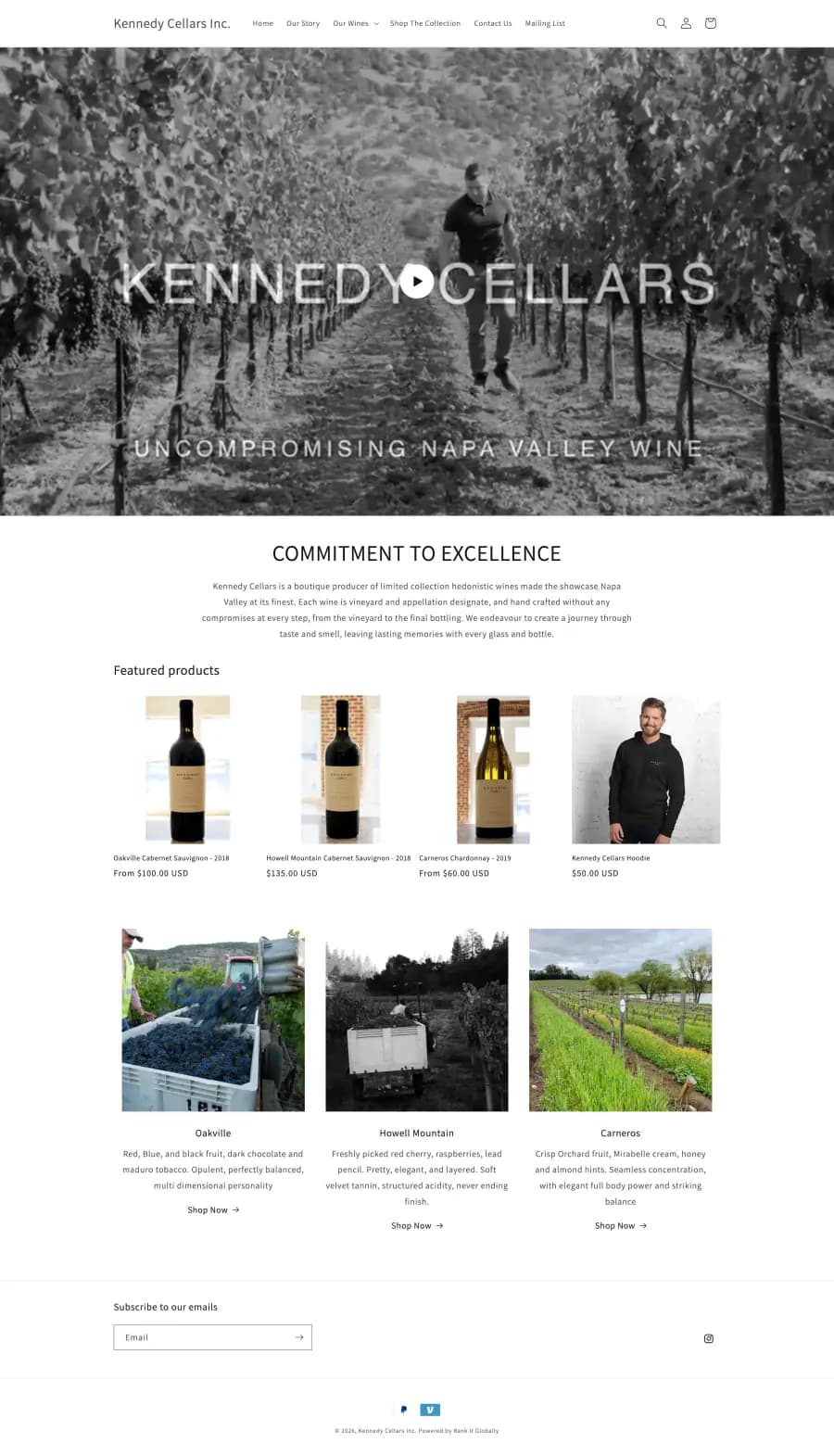
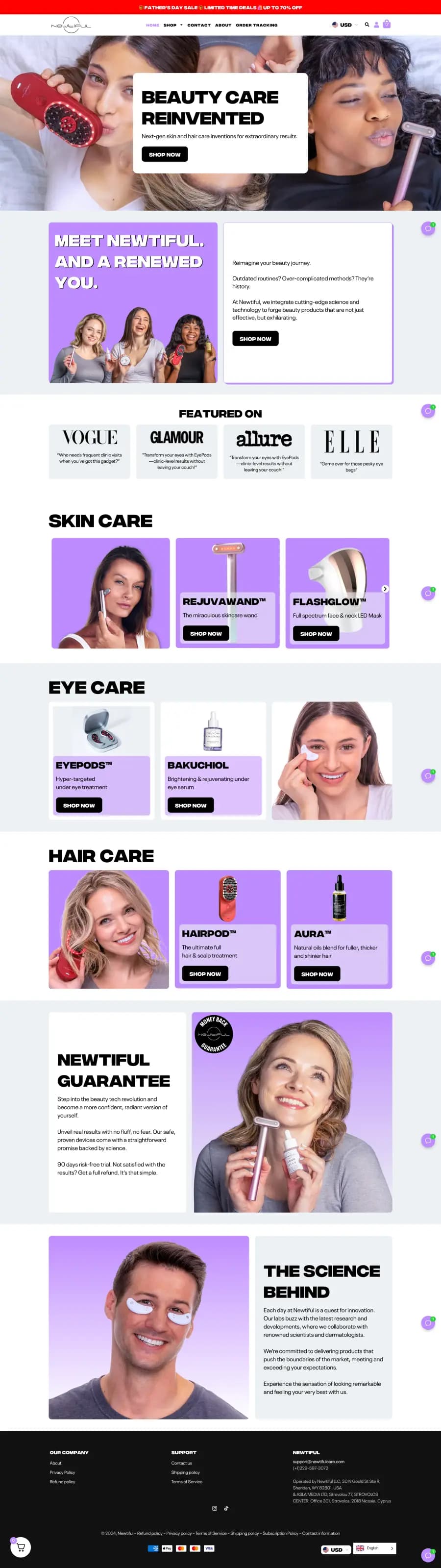
More of the Shopify stores we've built are above. To lift sales from existing traffic, see Conversion Rate Optimization or our e-commerce marketing approach. Browse more of our work on the Case Studies page.
How it works
We settle the catalog structure early, because navigation, filters and SEO all depend on it.
Weeks 1–2
Goals agreed, products and data reviewed, and collections, filters, apps and pages planned.
Weeks 3–6
Key templates designed, theme built, apps connected and products loaded or imported.
Weeks 7–8
Every template and the full checkout tested, migration and redirects completed, launch with tracking live.
Who this is for
From first launch to replatforming, these are typical examples of who comes to us for Shopify work:
Typical examples, not client case studies.
Why Rank It Globally
Our founder delivered 150+ client engagements as a freelance SEO before starting the agency, so we build stores with search and conversion in mind from the first wireframe.
| What you get | Rank It Globally | Typical agency | Freelancer | DIY |
|---|---|---|---|---|
| Conversion-focused store design | Designed around how shoppers buy | Often theme-first | Varies | Theme defaults |
| Launch plan included | QA, tracking and launch checklist | Sometimes extra | Rarely | Learn as you go |
| SEO set up before launch | Included | Often added later | Depends on skill set | Basic settings only |
| Safe migrations with redirects | Products, customers, orders and URLs | Varies by agency | Varies | High risk |
| Real launch results to show | $253K launch weekend | Varies | Varies | Not applicable |
Industries we do this for
Most of our store work is for e-commerce and DTC brands, but practices, home services companies and startups sell online too.
Straight answers
What store owners usually ask before a Shopify build or migration.
It depends on scope: the number of products and templates, whether you need a custom theme, the apps and integrations involved and whether there's a migration. We start with a free store review, then give you a clear quote based on what your store actually needs, so you're not paying for features you won't use.
A typical Shopify build takes 6 to 8 weeks: about two weeks for strategy and catalog structure, four for design and build, and two for testing, migration and launch. Large catalogs, complex integrations or custom features can add time. Having product data and content ready early keeps the project on schedule.
Yes. We migrate products, customers and order history from WooCommerce and other platforms, then map and redirect your old URLs so search traffic and links carry over. We test everything in a staging store first and only switch over once the data and redirects have been checked.
Yes. If you already have a design from your team or another designer, we can build it as a custom Shopify theme. If not, we design the store for you. Either way, we review the design for mobile usability, speed and conversion before we build, and suggest changes where they'll help sales.
Every store we build launches with Shopify SEO set up. For ongoing growth, such as content, link building and technical improvements over time, our SEO Services pick up where the build leaves off, with monthly reporting tied to traffic, orders and revenue rather than rankings alone.
Your product data (or access to your current store), brand assets like your logo and photos, any design references you like, and a short call about your customers, most popular products and goals. If you're migrating, we'll also need admin access to the old platform so we can plan the move.
Keep learning
Plain-English guides from our blog.
Free Store Review
Share your store. We'll review design, speed, product pages and checkout, and show you the changes most likely to increase orders.